Saturday, May 31, 2025

A Step Towards a Healthier Future

🌍 WORLD NO TOBACCO DAY 🚭
Every year on May 31st, people around the world observe World No Tobacco Day (WNTD). This global initiative is a powerful call to action, aimed at raising awareness about the devastating health risks associated with tobacco use and encouraging individuals to quit. Organised by the World Health Organisation (WHO), this important day sees countries and communities unite to reduce tobacco consumption and promote healthy living.
This year, World No Tobacco Day holds particular significance with its theme based on protecting children from tobacco industry interference, “Unmasking the appeal: exposing industry tactics on tobacco and nicotine products". It's a stark reminder that the fight against tobacco is not just about individual choices, but also about shielding the most vulnerable among us – the children – from the aggressive and often deceptive tactics of the tobacco industry.

What is Tobacco? A Dangerous Deception
Tobacco is a plant whose leaves are dried and processed to create products like cigarettes, cigars, chewing tobacco, and increasingly, e-cigarettes and heated tobacco products. While some may mistakenly believe using tobacco looks “cool” or helps them relax, the truth is quite the opposite. Tobacco contains nicotine, a highly addictive substance that harms nearly every organ of the body, leading to a relentless cycle of dependency and disease.
Why is Tobacco Harmful? The Alarming Impact
Tobacco use is unequivocally one of the leading causes of preventable death worldwide, claiming millions of lives annually and imposing an immense burden on public health systems. According to WHO:
 * More than 8 million people die each year due to tobacco-related diseases.
 * It significantly increases the risk of serious, debilitating, and often fatal illnesses such as:
   * Cancers: Lung, oral, throat, oesophageal, pancreatic, bladder, and kidney cancers, among many others.
   * Respiratory Diseases: Chronic obstructive pulmonary disease (COPD), emphysema, chronic bronchitis, and asthma.
   * Cardiovascular Diseases: Heart attacks, strokes, high blood pressure, and peripheral artery disease.
   * Other Health Issues: Diabetes, blindness, tuberculosis, and weakened immune systems.
 * Passive smoking (breathing in secondhand smoke) also causes disease and death in non-smokers, especially vulnerable populations like children, who are more susceptible to respiratory infections, asthma, and sudden infant death syndrome (SIDS).
Beyond the individual suffering, the economic costs, including healthcare expenditures and lost productivity due to illness and premature death, are staggering, diverting resources that could be used for other critical health needs.

Protecting Our Youth: A Critical Imperative
The tobacco industry relentlessly targets young people with alluring advertisements, flavoured products, and social media influence, aiming to hook new consumers. This makes it imperative for governments, schools, families, and communities to work together to create a tobacco-free generation. Starting tobacco use young means a higher chance of becoming addicted and facing severe long-term health issues. That’s why saying NO to tobacco from the beginning is the best and safest decision.
The theme for World No Tobacco Day 2025, based on protecting Children from Tobacco Industry Interference, "Unmasking the appeal: exposing industry tactics on tobacco and nicotine products", underscores this critical need. This year, the focus is squarely on shielding young people from misleading advertisements and harmful influence by the tobacco industry. Governments, schools, and families are strongly encouraged to collaborate to:
 * Implement comprehensive bans on tobacco advertising, promotion, and sponsorship: This is a crucial step to reduce the appeal of tobacco products, especially among youth, who are particularly susceptible to marketing ploys.
 * Increase tobacco taxes: Higher prices effectively discourage consumption, particularly among price-sensitive young people.
 * Enforce smoke-free environments: Protecting non-smokers, especially children, from the dangers of secondhand smoke is vital.
 * Provide accessible cessation support: Helping current tobacco users quit is essential, and easily accessible cessation services can make a significant difference.
 * Educate and empower youth: Providing young people with accurate, unbiased information about the harms of tobacco and empowering them to resist peer pressure and industry manipulation is key.

What Can Students Do? Your Actions Matter!
You may think, “I’m just a student—what can I do?” But your actions matter immensely! Here's how you can contribute to a healthier, tobacco-free future:
 * Stay informed: Learn and share the irrefutable facts about tobacco and its devastating effects. Be aware of the tactics used by the tobacco industry.
 * Speak up: Courageously encourage friends and family members who use tobacco to quit. Share resources and support their journey.
 * Participate in school and community campaigns: Help raise awareness through posters, essays, skits, social media initiatives, or community events.
 * Be a role model: Choose a healthy, tobacco-free lifestyle and inspire others to do the same. Your example can be incredibly powerful.
 * Be vigilant: Report instances of illegal tobacco sales to minors or any form of illicit tobacco advertising that targets youth.

πŸ•Š️ A Message of Hope and Empowerment
Quitting tobacco is not easy, but it is unequivocally possible. Millions of people have successfully quit and gone on to lead healthy, fulfilling lives. Every day, people are freeing themselves from nicotine addiction. And the best part? If you never start, you’ll never have to quit!
Let’s say NO to tobacco today, for a better, healthier tomorrow.
Together, we can build a healthier, tobacco-free world and protect everyone from the clutches of the tobacco industry.

Friday, May 30, 2025

Celebrating identity, heritage and freedom

GOA STATEHOOD DAY 
Goa Statehood Day is celebrated every year on May 30th to mark a momentous occasion in Indian history—the day in 1987 when Goa became the 25th state of the Republic of India. This day commemorates the Goan people's long journey from colonial subjugation to democratic empowerment, celebrating their distinct cultural and linguistic identity.
Goa is celebrating its 39th Statehood Day on May 30, 2025.

πŸ—Ί️ From Colony to Statehood
Portuguese Rule (1510–1961): Goa was a Portuguese colony for over 450 years, having been captured by the Portuguese in 1510. Even after India gained independence in 1947, Goa remained under Portuguese control.
Liberation – Operation Vijay (1961): In December 1961, the Indian Armed Forces launched Operation Vijay, liberating Goa, Daman, and Diu and integrating them into the Indian Union.
Union Territory Status: Following liberation, Goa, along with Daman and Diu, was administered as a Union Territory.
1967 Opinion Poll: A significant moment in Goa's political history came with the 1967 Opinion Poll, a referendum where the people of Goa decisively voted against merging with Maharashtra, asserting their distinct identity and desire to remain separate.
Statehood Achieved (1987): After years of political movements and public advocacy, Goa was finally granted full statehood on May 30, 1987. Panaji was designated the state capital, and Konkani was declared the official language of Goa.

🧭 Significance of Goa Statehood Day
Political Autonomy: Statehood granted Goa greater authority over its governance, legislative matters, and development policies.
Cultural Preservation: With statehood came formal recognition of Konkani and protection of Goa’s unique Indo-Portuguese heritage through its own state legislation.
Economic Growth: Statehood played a key role in shaping Goa into a thriving tourist destination, boosting the economy and providing employment and infrastructure development.
Honouring Freedom Fighters: The day is a tribute to the freedom fighters, activists, and citizens who struggled for Goa's liberation and statehood.
Symbol of Goan Identity: More than a political milestone, Goa Statehood Day represents the Goan people's enduring commitment to self-determination, cultural pride, and democratic values.

πŸŽ‰ Celebrations
Goa Statehood Day is celebrated with great pride and enthusiasm across the state. Festivities include: cultural performances, traditional Goan music and dance, official ceremonies and flag hoisting, speeches by the Governor and Chief Minister, exhibitions showcasing Goa’s history and achievements
These celebrations not only honour the past but also inspire future generations to cherish and uphold Goa’s unique legacy.

Goa Statehood Day is a powerful reminder of the Goan spirit—resilient, proud, and deeply rooted in its vibrant cultural and historical heritage.

Thursday, May 29, 2025

Highway Man of India

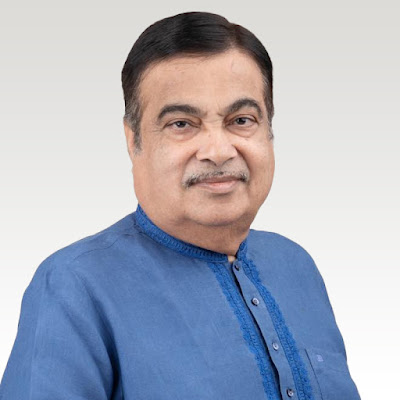
NITIN GADKARI: ARCHITECT OF INDIA'S MODERN TRANSPORT INFRASTRUCTURE 
Nitin Jairam Gadkari, often hailed as the "Highway Man of India," has been instrumental in revolutionising the nation's transport landscape. Serving as the Union Minister for Road Transport and Highways since 2014, his tenure has been marked by ambitious projects, innovative policies, and a steadfast commitment to sustainable development. 

Early Life and Political Ascent: Born on May 27, 1957, in Nagpur, Maharashtra, Gadkari's political journey commenced with the Rashtriya Swayamsevak Sangh (RSS) and later the Bharatiya Janata Party (BJP). He served as the Public Works Department (PWD) Minister in Maharashtra, where he pioneered the Mumbai-Pune Expressway—India's first six-lane concrete, access-controlled highway. His innovative use of public-private partnerships (PPP) and government bonds set new benchmarks in infrastructure financing.  

Transforming National Highways: Under Gadkari's leadership, India has witnessed an unprecedented expansion of its road network. Over 54,858 km of national highways have been constructed in the past decade, significantly enhancing connectivity across the country.  

Key projects include: 
Delhi-Mumbai Expressway: A 1,386-km corridor set to be completed by December 2024, aiming to reduce travel time between the two metros.  
Varanasi–Kolkata Expressway (NH-319B): A 710-km six-lane expressway under construction to enhance connectivity between Uttar Pradesh and West Bengal.  
Hyderabad–Indore Expressway: A 713-km route expected to be operational by March 2025, linking Telangana, Maharashtra, and Madhya Pradesh.  

Embracing Technological Advancements
Gadkari has championed the integration of technology in infrastructure development: 
Satellite-Based Tolling: Initiatives are underway to implement automated toll systems, reducing congestion and enhancing efficiency.  
Advanced Traffic Management Systems (ATMS): Plans to deploy ATMS across 500 km of highways aim to improve traffic flow and safety.  
Innovative Financing Models: Introduction of the Hybrid Annuity Model (HAM) and Toll-Operate-Transfer (TOT) model has attracted private investments without overburdening public finances.  

Commitment to Road Safety:
Addressing India's high road fatality rates, Gadkari has implemented several measures: 
Zero Fatality Corridor (ZFC): This model has led to a 67% reduction in fatalities on the Mumbai-Pune Expressway by focusing on engineering, enforcement, emergency care, and engagement.  
Motor Vehicles Act Amendment (2019): Stricter penalties and mandated safety features have been introduced to enhance road safety.  
Cashless Treatment for Accident Victims: A pilot project offering up to ₹1.5 lakh for immediate treatment post-accident is being expanded nationwide.  

Advocating Sustainable and Green Transportation
Gadkari's vision extends to promoting environmentally friendly transport solutions: 
FAME Scheme: The Faster Adoption and Manufacturing of Electric Vehicles initiative has accelerated EV adoption in India.  
Alternative Fuels: Promotion of ethanol, methanol, and hydrogen fuel cells aims to reduce dependence on fossil fuels.  
Green Highways Policy (2015): Mandates tree plantations along national highways to enhance environmental sustainability.  

Enhancing Multimodal Logistics
Recognising the need for integrated transport solutions, Gadkari has spearheaded the development of multimodal logistics parks: 
Jalna Dry Port: Inaugurated in March 2024, this 500-acre facility in Maharashtra is poised to become a major container port, boosting trade and employment.  
National Waterways Act (2016): Introduced to develop inland waterways, enhancing cargo movement and reducing transportation costs.  

Nitin Gadkari's tenure as the Minister for Road Transport and Highways has been transformative, marked by infrastructural innovation, technological integration, and a commitment to sustainable development. His initiatives have not only modernised India's transport sector but have also laid the foundation for economic growth and environmental stewardship. 

Wednesday, May 28, 2025

Do you know

WHAT’S THE MOST COMMON DISEASE IN THE WORLD?
The most widespread infectious disease in humans worldwide is the common cold, with rhinovirus being the main cause. The common cold has been with us since antiquity, has no cure and is the number-one reason adults miss work and children miss school, with adults catching a cold on average two to three times a year and children 6 to 12 times a year. 
The most common non-contagious disease is gum disease, also known as gingivitis or periodontal disease. It’s estimated that half the world’s adult population has gum disease, and that most people will have some degree of it at least once in their life. It occurs when a buildup of plaque and tartar begins to irritate and inflame your gums. The best method of prevention is brushing teeth twice a day, flossing and regularly visiting the dentist.

Tuesday, May 27, 2025

An Engineering Marvel

THE CYBERTECTURE EGG
The Cybertecture Egg is an iconic commercial building located in Mumbai's Bandra Kurla Complex (BKC), designed by architect James Law in collaboration with engineering firm Ove Arup. This 13-story structure encompasses approximately 33,000 square meters of office space and features three basement levels accommodating 400 parking spaces.  

πŸ₯š Design Philosophy and Symbolism: 
The building's distinctive egg-shaped form symbolises life, birth, and a sustainable future. Inspired by the concept of Earth as a self-sustaining vessel, the design aims to create a micro-ecosystem that integrates technology, sustainability, and human-centric spaces.  

πŸ—️ Structural Innovation
The Cybertecture Egg employs a diagrid exoskeleton—a steel framework forming a rigid structural system. This innovative approach allows for large, column-free floor plates, enhancing spatial flexibility and reducing material usage by approximately 15% compared to conventional buildings.  

🌿 Sustainability Features
Designed with environmental consciousness, the building incorporates several green technologies: 
Solar Panels and Wind Turbines: Installed to generate on-site renewable energy. 
Greywater Recycling: Systems in place to reuse water for landscaping and irrigation. 
Sky Gardens: Integrated green spaces that provide natural shading, improve air quality, and offer communal areas. 
Intelligent Building Management: Sensors and systems monitor and adjust energy usage for optimal efficiency.  

🧠 Technological Integration
Beyond its physical structure, the Cybertecture Egg integrates advanced technologies to enhance occupant experience: 
Health Monitoring Systems: Facilities that can track health metrics like blood pressure and weight, with options to share data with medical professionals. 
Customisable Virtual Environments: Workspaces equipped with technology allowing users to personalise their surroundings, potentially displaying real-time views from different parts of the world.  

πŸ“ Location and Accessibility
Situated in Mumbai's BKC, a prominent commercial hub, the Cybertecture Egg is easily accessible and stands as a landmark in the city's skyline. 

πŸ† Recognition
The building has been acknowledged for its innovative design and sustainability efforts, receiving accolades such as the CNBC Asia Pacific Commercial Property Award in 2009 for Architecture in India.  

The Cybertecture Egg exemplifies a fusion of futuristic design, sustainable practices, and technological advancement, marking a significant contribution to modern architecture in India. 

Monday, May 26, 2025

Zero

THE STORY OF SHUNYA 
You've probably heard people say that Aryabhatta invented zero, but the truth is that he contributed significantly to formalising the use of the symbol in mathematical notation.
But have you ever wondered—if zero didn’t exist before him, how did people in Ramayana’s time count Ravana’s ten heads? Let’s dive into the fascinating story of zero and clear up some common myths!

1. Zero as a Placeholder vs. Zero as a Number
The distinction is crucial. Ancient civilisations used placeholders in numeral systems before zero became an abstract concept:
Babylonians (circa 300 BCE) used a placeholder symbol in cuneiform for empty positions in their base-60 number system.
Mayan civilisation (circa 4th century CE) used a shell-shaped glyph as zero in their vigesimal (base-20) system.
However, these were not used as numbers in their own right, which is where Indian mathematicians went a step further.

2. Brahmagupta, the First to Define Zero as a Number: While Aryabhatta used a place-value system that implied zero, it was Brahmagupta (7th century CE) who: 
Defined zero as a number, not just a placeholder.
Formulated rules involving zero in calculations (e.g., a - a = 0; a × 0 = 0).
He used a dot (.) beneath numbers to denote zero, called “shunya”, meaning void or emptiness.

3. Philosophical depth of ‘Shunya’ in Indian Thought: The idea of emptiness or void is deeply philosophical in India—rooted in Buddhism and Vedanta:
In Buddhism, Ε›Ε«nyatā (emptiness) represents the absence of inherent existence.
In Vedanta, the idea of “neti neti” (not this, not that) aligns with a concept that goes beyond form, just like zero goes beyond quantity.
So, zero wasn’t merely a mathematical utility—it reflected deep metaphysical insights.

4. Decimal System and Zero’s Role: The decimal system was in use during Vedic times. The Indian numeral system was revolutionary:
It allowed for efficient calculation, positional value, and the use of large numbers with compact notation.

5. Cultural Legacy: Indian numerals (including the zero) were transmitted to Europe by Arab scholars around the 12th century. That’s why it’s sometimes called the “Arabic numeral system” in the West, even though it’s Indian in origin.

6. Zero in Other Contexts: Depending on context, zero plays different roles:
In set theory: Zero is the cardinality of an empty set.
In coordinate geometry: It’s the origin point.
In thermodynamics: It relates to absolute zero.
In computing: Binary systems use 0 and 1 as foundational.

Conclusion: Zero wasn’t needed to count in ancient times—it was needed for efficient notation and abstract calculation.
The symbol for zero is a tool, not a necessity for all counting systems.
Aryabhatta’s genius lay in using a place-value system, but Brahmagupta truly defined zero mathematically.
Zero as a concept is as much philosophical as it is mathematical.
India’s role in the evolution of zero and the decimal system is foundational to modern mathematics.

Sunday, May 25, 2025

Career in Aviation

INDIA'S SOARING SKIES: HOW AIR INDIA AND THE AVIATION SECTOR ARE TAKING OFF 
In recent years, India’s aviation sector has witnessed a transformation that is nothing short of remarkable. A significant catalyst for this change was the government's decision in 2019 to sell its debt-ridden national carrier, Air India, to the Tata Group. With a legacy of excellence in business, the Tata Group has now taken on the ambitious mission to revive Air India and position it as a world-class airline.

Air India's Big Plans for the Future: Currently operating with 113 aircraft, Air India has placed one of the world’s largest aircraft orders to expand its fleet. The goal? To connect India with more global destinations through direct flights and make India a major hub for international air travel. This expansion will not only make air travel more accessible within the country but also help passengers save time with quicker routes to distant locations.

Why Airbus and Boeing?
Air India chose to buy aircraft from Airbus and Boeing — the world’s two biggest airplane manufacturers. Airbus is based in Europe, while Boeing is from the United States. Together, they produce about 90% of the world's passenger aircraft. Since there are no other companies that make large commercial planes at scale, these two remain the only practical choices. By partnering with them, Air India ensures it receives reliable, fuel-efficient, and technologically advanced planes.

Can India Build Its Own Planes?
India currently does not have a company that builds large commercial aircraft. However, Hindustan Aeronautics Limited (HAL), a government-owned aerospace giant, is taking early steps. HAL has mostly built fighter jets and helicopters for the Indian Air Force, but now it’s shifting attention to civil aviation. Its small 19-seater aircraft, the Hindustan 228, has already been approved. Along with the National Aerospace Laboratories (NAL), HAL is working on the Indian Regional Jet (IRJ), a 70-100 seater aircraft meant for short-haul travel.
Private Indian companies are also contributing by manufacturing airplane parts like wings, seats, and components. That’s why Boeing and Airbus say their aircraft are partly ‘Made in India.’ With enough investment and research, India could one day build large passenger aircraft too.

The Growth of India's Aviation Sector: India’s skies are busier than ever. In 2013, the country had about 400 airplanes. By 2022, that number had jumped to 700 — and the count is rising rapidly. India plans to add 100 to 110 new planes every year.
The government is also focusing on improving airport infrastructure. Under the UDAN (Ude Desh ka Aam Nagrik) scheme, India plans to build 100 new airports by 2024. The scheme aims to make flying affordable and accessible to the common citizen, connecting small towns with major cities. By 2025, India is expected to become the third-largest aviation market in the world, behind only the US and China.
New Jobs and Career Opportunities: With the expansion of Air India and other airlines like IndiGo, the aviation sector is going to need a large workforce. Air India alone will need at least 6,500 new pilots, along with thousands of cabin crew members, ground staff, and maintenance engineers. Air India’s CEO has even invited Indian pilots working abroad to return home and join the airline.
Other airlines are also expanding. IndiGo, India’s largest airline, ordered 300 aircraft in 2019 and will require even more skilled professionals. This opens up a wide range of job opportunities in areas such as:
Piloting and cabin crew
Aircraft engineering and maintenance
Airport management
Air traffic control
Aerospace research and manufacturing

How Can You Prepare for a Career in Aviation?
If you dream of flying planes, meeting new people, or designing next-generation aircraft, this is a great time to enter the aviation industry. Here’s how you can start:
Aerospace Engineering: Courses are available at top institutions like IIT Bombay, IIT Kanpur, IIT Madras, and NITs. You can specialise in designing, building, and testing aircraft and spacecraft.
Pilot Training: Prestigious institutes like Indira Gandhi Rashtriya Uran Akademi (IGRUA), National Flying Training Institute (NFTI), and Indira Gandhi Institute of Aeronautics offer world-class pilot training programs.
Cabin Crew & Ground Services: Schools like the Indian Aviation Academy (Delhi) and Centre for Civil Aviation Training provide professional training in hospitality, safety, and customer service.
Aircraft Maintenance Engineering (AME): AME colleges across India train students to inspect, repair, and maintain aircraft to meet global safety standards.

India's aviation sector is reaching new heights — and it's only the beginning. With new aircraft, new airports, and a growing demand for air travel, the industry is set to become a powerhouse. Whether you want to fly high as a pilot, innovate as an engineer, or serve with a smile as cabin crew, the sky is truly the limit.

If you're passionate about technology, travel, or teamwork, the aviation world awaits you.

Do you know

WHAT IS GREENWASHING? Have you ever seen a product labelled “eco-friendly,” “100% natural,” or “good for the planet”? Sometimes these claims...